Tips on New-Kitty Introductions!
Congrats on your new kitty! Before letting them explore your home and meet your current pets, here are a few tips to help with a smooth transition. Remember: pets feed off our emotions. If you are nervous, anxious, or upset, they’ll feel it too — try to remain calm and positive!
The Step-by-Step Guide
Start Slow
- Don't rush! Rushing can overwhelm your new cat and have long-lasting effects on their comfort.
- Keep your new cat(s) in a private room at first. Let them settle for 1–2 weeks so their first experiences are positive (you can still visit!).
- Swap bedding with your current pets to exchange scents before they ever meet.
The Brief Introduction
- Once excitement/nervousness has settled, allow a brief first meeting through a baby gate or screen door.
- Do not force the interaction; let them approach on their own.
Short Supervised Visits
- Ensure the cat knows the area and has an elevated safe space to retreat to where a dog/other pet cannot reach.
- Keep the visit short! Even if it goes well or they start playing, separate them after a few minutes. Leave them wanting more, not sick of each other.
- It is common to hear growls or hisses. Do not be discouraged.
- If a dog is present, keep them on a loose leash. Tight leashes make dogs feel restrained and more reactive.
- Use treats to reward polite behavior and toys/commands to redirect playful energy.
Increasing Time Together
- Continue increasing the length of supervised visits.
- If they get along instantly, you can speed this up — kittens usually adapt faster.
What if it doesn’t work out?
If there is major conflict: take a break and see if they calm down after a few days. Tension may wane, but it also may just be a bad match. It can be frustrating and highly emotional, but don’t take it personally! We understand these things happen, and if it doesn’t work out, we will warmly welcome cats back into our system to find them a more fitting home.
Long-Term Concerns
Resource Guarding
Some animals are protective of food, toys, or even humans. Do not assume an animal that shares with humans will share with other pets.
Feeding Stations
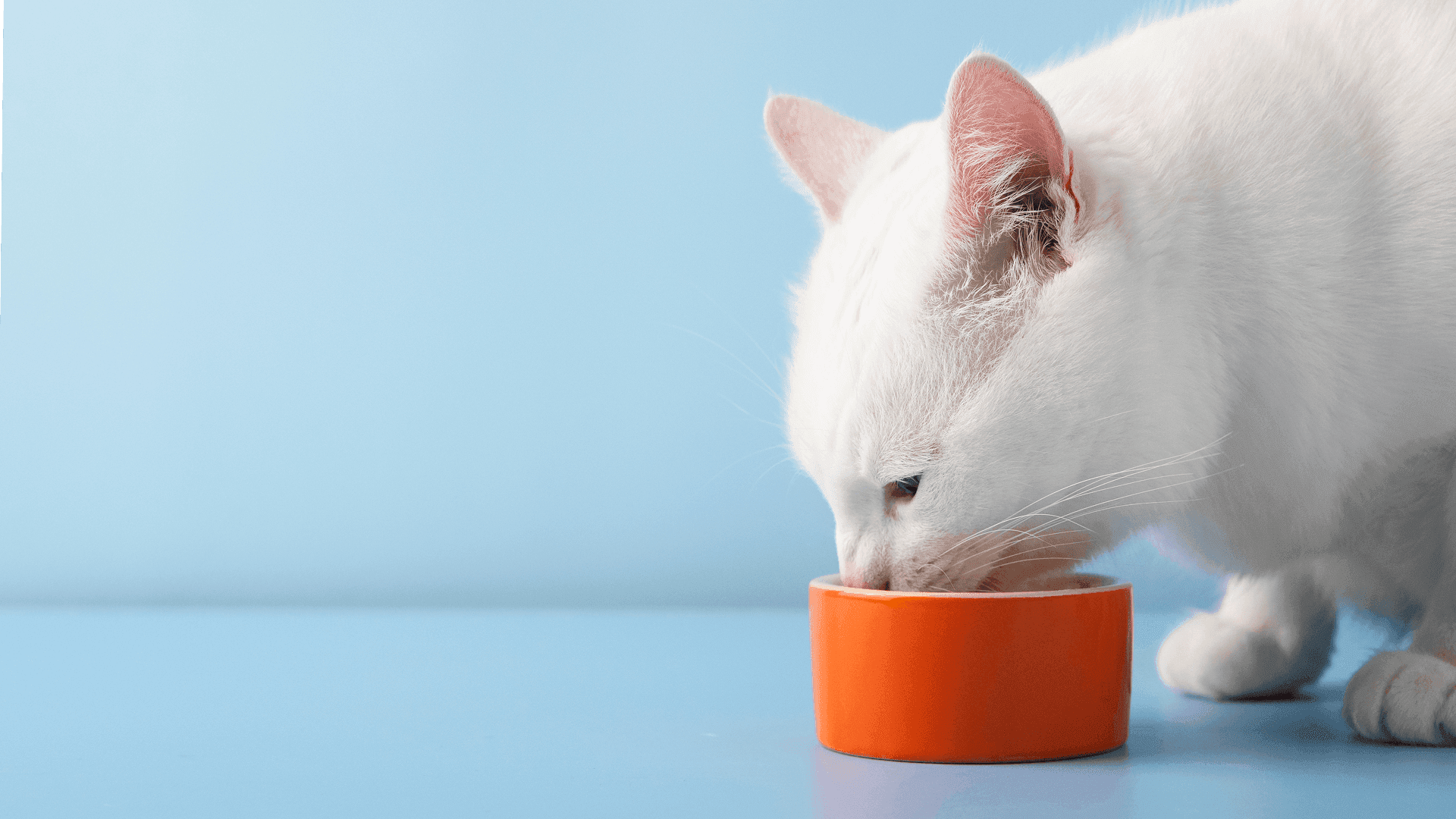
Place the kitten's food & water bowls up high and out of the dog's reach to prevent conflict.
Litter Box Sharing
Some dogs will eat cat poop — saying "no" or elevating the box on a table can fix this. Cats can also be extremely picky about sharing litter boxes. Some will leave messes on the floor if forced to share, while others don't mind. Be prepared to provide separate boxes if needed.